


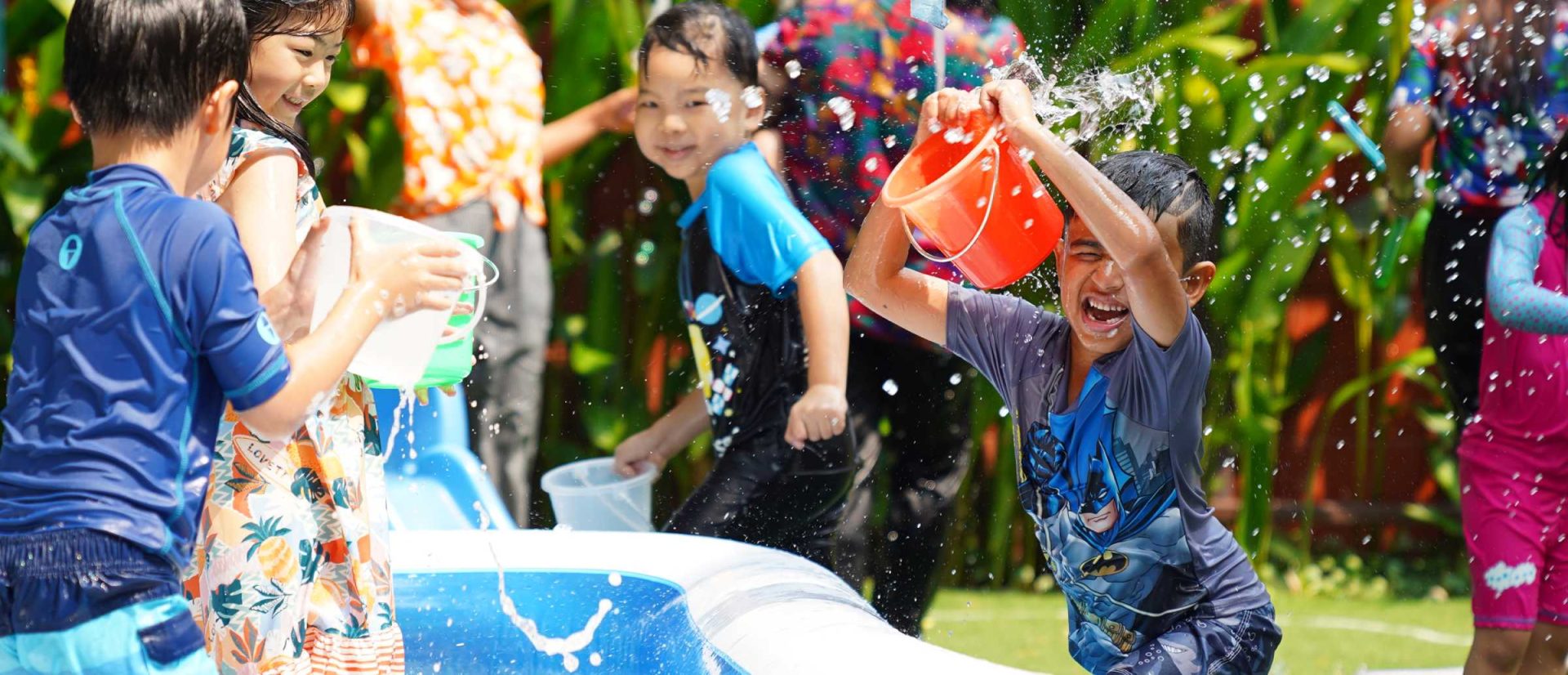
A positive international playgroup school offers a warm and fun environment for young children to grow and learn. The main focus is based on play-based learning, emotional development, and nurturing imagination and creativity at its heart.
The following special features mark a great group of preschool students
First, the curriculum has learning-through-play rather than a direct instruction model. Teachers create these play items intentionally to assist the learners achieve these abilities that include language, literacy, math, critical thinking, and problem-solving. Through play, children can actually learn, pose questions, go into discussions with each other, and make decisions all from an enjoyable experience. The tutors are very effective as they play and at the same time coach and mentor the children.
One sign of a successful playgroup international school is a small class size with a constant low teacher-student ratio. Through smaller groups the teacher has the possibility to focus on every student, and students feel close to the teacher. No longer delighting in the satisfaction of dealing with a huge number of the students in a class, the teacher will now be able to tend to an individual’s interests, abilities, and learning styles. The teachers can identify individualized needs on a real-time basis and adjust the curriculum for such needs.
The excellent club outside the academia fosters development of a wholesome child offering special attention to the social and emotional growth. Teachers facilitate that children can build opening, cooperating, sharing, empathy, and self-control. They build children the correct way of doing things by dealing constructively and talking in a constructive way when interacting with them to help them resolve a conflict. Relationships are very important between a teacher and the children and providing a warm home atmosphere in the classroom will help the children emotionally.
The international kindergarten goes beyond cultural diversity and language which only goes regional. Using the Intercultural educational materials, including books, plaything, and other learning objects, the children find it easy to connect with the culture of other people. Teachers are becoming much more understanding and restoring of children’s languages and culture that they sometimes carry from home.
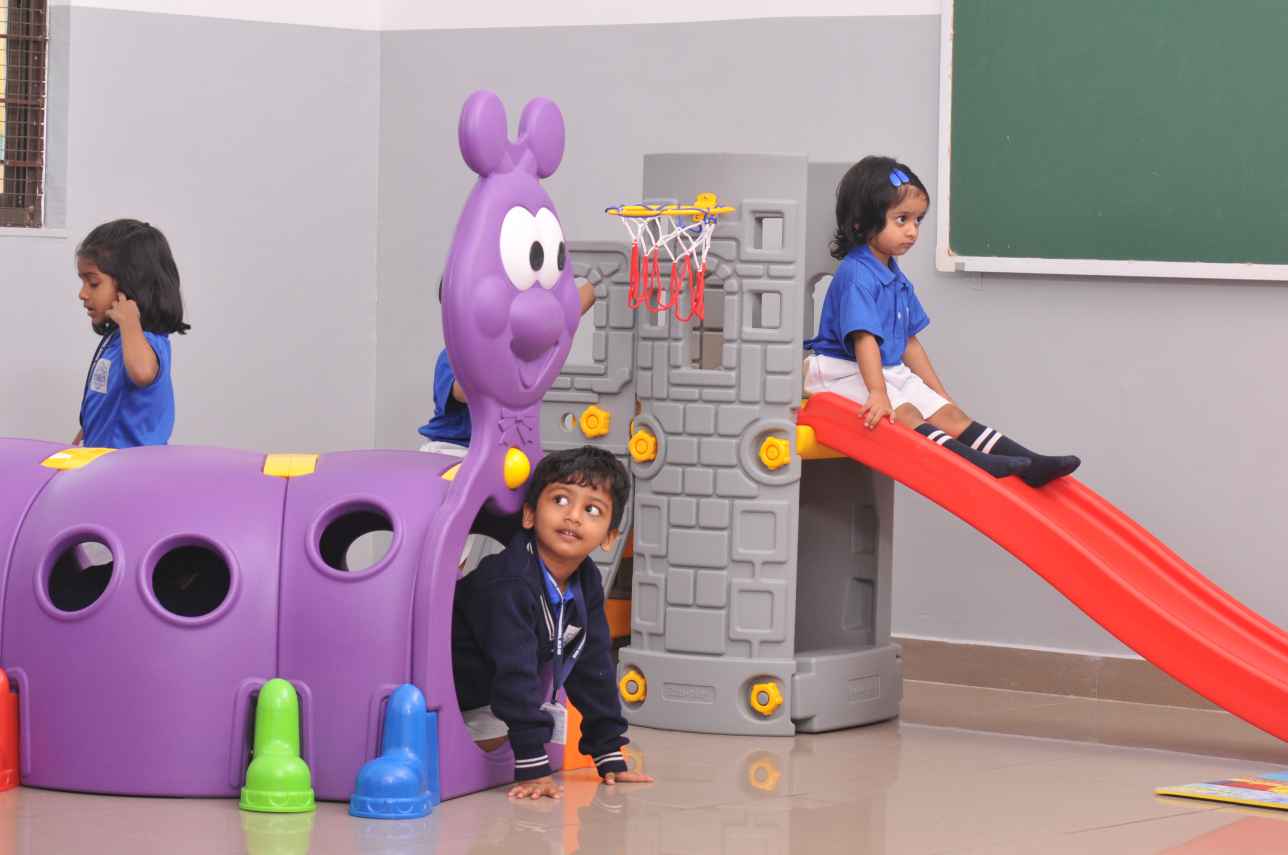
Significant environmental factors also influence the strength of playground programs. Bright, print-filled classrooms that have a variety of learning areas that are engaged with hands-on materials do stimulate curiosity. The active playgrounds, in turn, allow the kids to expel their energy, learn to live dangerously, and experience nature. The classroom layouts, as well as the items in the room, reflect recent learning or already known information as well as current interests. Educators strategically set out furniture, learning centers, and storage to make exploration possible for children.
Another important contribution of parents’ paintings is the mentoring process of the leading international playgroup. Teachers discuss with parents matters concerning the child but through conferences, newsletters, daily records, and informal talks. The playgroup gives educational classes to the parents of the children on particular topics e.g., developmental milestones, positive discipline methods, how to support learning at home, etc.
Finally
The main lead players in primary education put child-centered and play-centered learning on the priority list. Small class sizes, rich educational environments, cultural inclusion, teacher competence, parent partnership, and developmental assessments help make first-class early international education for the youngest students. With the help of games and correctly oriented guidance, top playgroups unleashing the enormous capacity of children become a reality.